
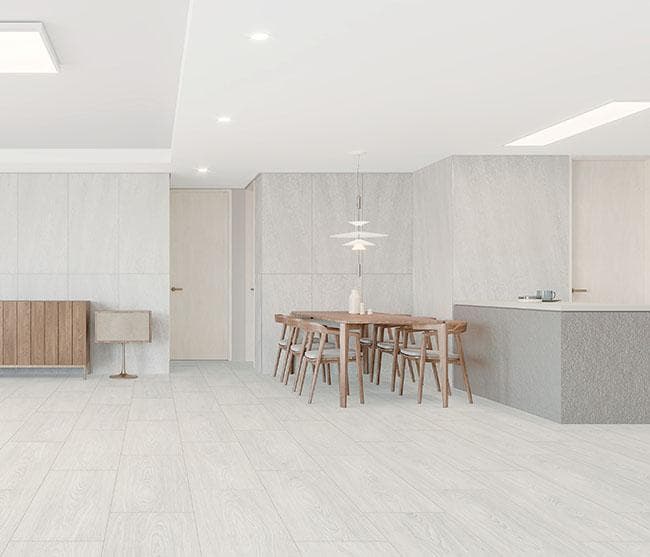
Cuts construction time by one third compared with wet-method bathroom wall work
‘Wellstone,’ a stone panel made from fiber extracted by melting volcanic rock — the first of its kind in Korea — is drawing industry attention by overturning the conventional approach to tile installation.
Hansol Homedeco’s ‘Wellstone’ is a stone panel produced by extracting fibrous strands from rock, processing them with heat and pressure, and then finishing the surface in a variety of ways. Because it retains the properties of natural rock, it is inherently strong against both water and fire. ‘Wellstone’ is a breakthrough product that converts the wet construction method used in conventional bathroom work into a dry method, shortening installation time and improving cost efficiency. Wet construction generally involves stacking stone, brick, or concrete blocks, plastering them with cement, and then laying tile on top; because it entails many processes such as masonry, plastering, and tiling, it has the drawback of a long construction period. Dry construction using various inorganic boards such as gypsum board already exists on the market, but it has not been widely adopted due to a lack of suitable materials — problems such as wall resonance, demolition costs during remodeling, and poor workability at sites requiring cutting.
However, ‘Wellstone,’ newly launched by Hansol Homedeco, is a product that resolves the limitations of conventional dry construction. As a material suited to dry construction, ‘Wellstone’ requires no waterproofing of the wall — you simply set up the studs and install Wellstone. It can shorten the construction period by up to one third compared with wet construction, allowing the work to be completed in a short time.
In addition, the wall thickness can be reduced by more than 30% compared with a wet-method wall, making a narrow bathroom more usable, while the large-format panels also create a more spacious appearance. Moreover, ‘Wellstone’ prevents mold growth and, through large-scale modularization, minimizes grout lines, eliminating concerns about mold and water stains. It can also be surface-finished in a variety of styles such as marble, stone, and wood, and unlike ordinary tile, it does not crack even when installed with screws or a nail gun (tacker).
Beyond this, thanks to the properties of its stone material, ‘Wellstone’ is highly resistant to moisture and shows little deformation from temperature or humidity. In particular, because it is made from a non-combustible material, it does not burn in the event of a fire and emits almost no toxic gases. Since the fiber is extracted by melting rock at high temperature, the detection level of radon — a harmful substance released by stone products — is only one tenth of the standard for newly built apartment housing, making it an eco-friendly product that is also safe for the human body.
Hansol Homedeco notes that ‘Wellstone’ is highly versatile, suited not only to interior spaces but also to areas constantly exposed to moisture and requiring essential fire safety. Beyond wall and floor materials, the company is developing the product for a range of applications, including fire doors and exterior cladding.
Park Byeong-seok, team leader of Hansol Homedeco’s Special Sales Division, said, “Wellstone not only shortens the construction period through dry construction but also has few defects and offers strengths in design. We therefore expect it to perform well in the domestic tile market going forward.”
Meanwhile, Hansol Homedeco is currently recruiting distributors (dealerships) nationwide, including ‘Wellstone’ general distributors, tile/marble retailers, interior design shops, and building material dealers. 02-3284-3864
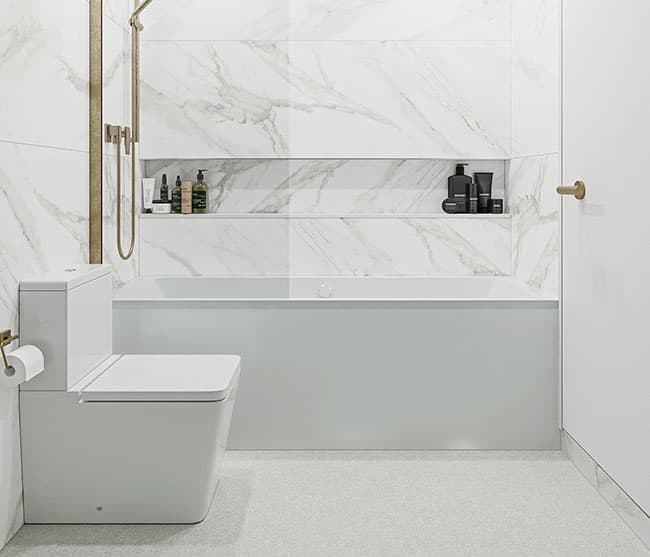
▲ Grand Carrara
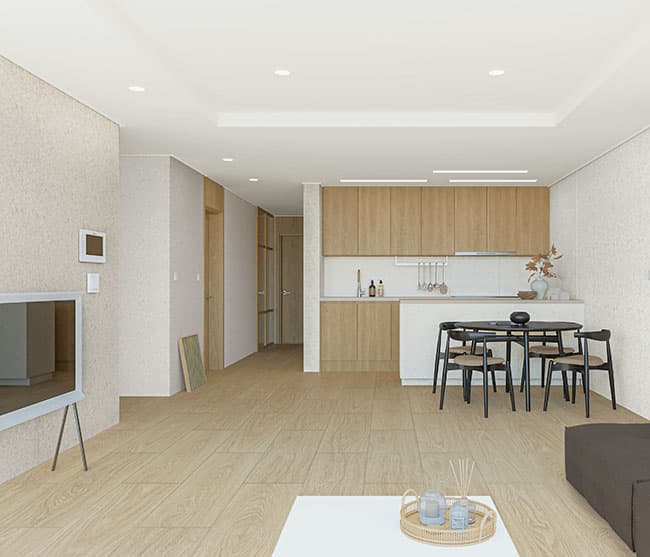
▲ Dell
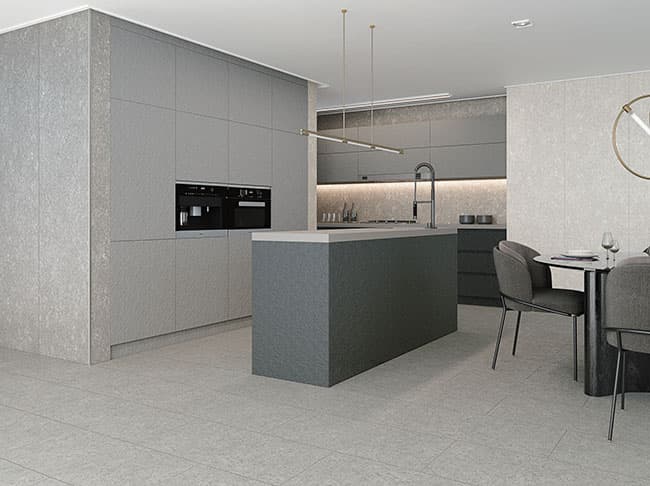
▲ Limestone
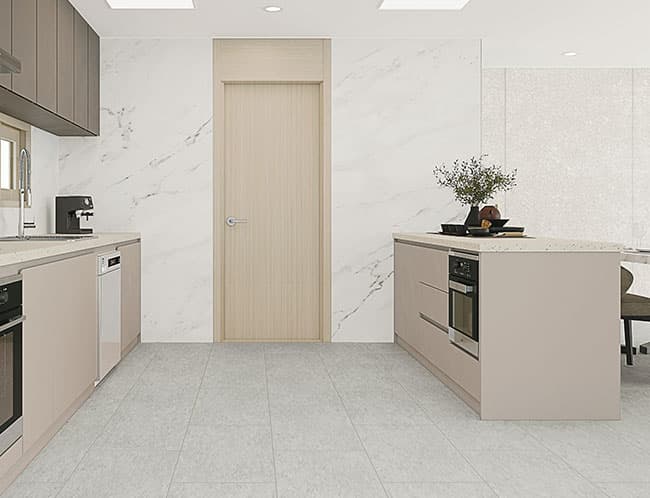
▲ Arabescato
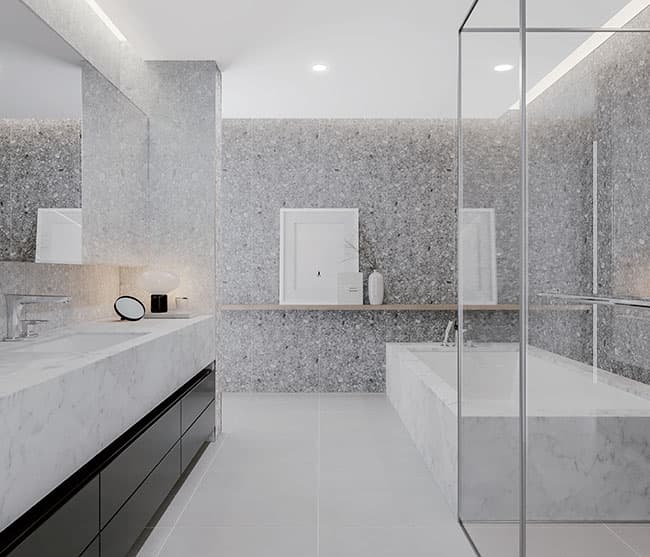
▲ Terrazzo