<Pandemic × Design + Future> Exhibition Runs at DDP Through January Next Year
Introducing the Role of Design and the Design of the Future for the Post-Pandemic Generation
An exhibition exploring the role of design—made all the more powerful in the age of the pandemic—and the direction of future design is now open. Titled <Pandemic × Design + Future>, it runs through January 31 next year at Exhibition Hall 2 of the Dongdaemun Design Plaza (hereafter DDP) (Nov. 15–Dec. 25) and along the Design Dulle-gil trail (Jan. 1–31, 2023).
Is there no way to make the lives that the pandemic has changed a little safer? Is there no effective way to intuitively grasp and respond to an entire situation in a crisis? At a time when we must pool our wisdom more than ever, designers propose a solution.
Drive-through clinics, mobile negative-pressure sampling booths, and touchless products that minimize unnecessary everyday contact are representative examples of design finding solutions in the age of the pandemic. These reflect a service-design approach that considers the interaction between provider and user to design an entire process and system.
This exhibition focuses on the post-pandemic generation, who must navigate the coming age of crises. The post-pandemic generation refers to those who experienced COVID-19 in childhood (late Generation Z: born 2004–2010, and Generation Alpha: born 2010–2024), a generation that will live in ways entirely different from previous generations. (Excerpted from LG Business Research Institute, “The New Generation of the Post-Pandemic Era,” March 29, 2022)
According to the LG Business Research Institute’s material, while every generation was affected by COVID-19, the younger the age, the greater the impact. The material explains that from the very start of elementary school—first grade, when full-fledged communal life begins—COVID-19 turned classes into Zoom sessions, and as remote learning dragged on, the socialization process that comes from interacting with teachers and friends at school was skipped, making non-face-to-face situations an ordinary part of daily life. By encouraging the post-pandemic generation to reflect on the true value of design, this exhibition conveys an educational message that can help them grow into the designers of the future.
The exhibition organically connects five sections: <Prologue>, <Crisis>, <Response>, <New Beginning>, and <Epilogue>. A variety of exhibition staging has been applied inside the hall to convey a precise message to visitors.
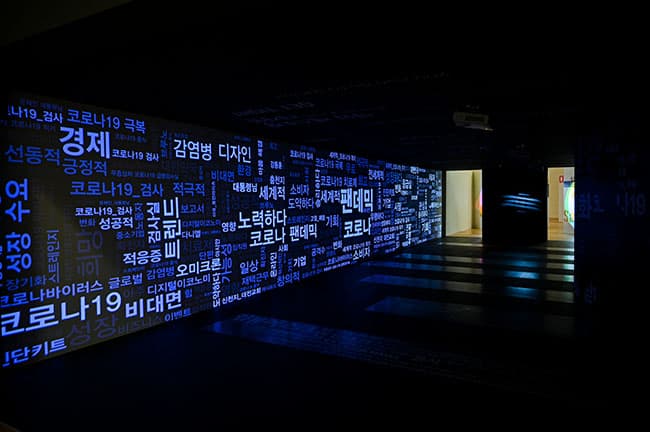
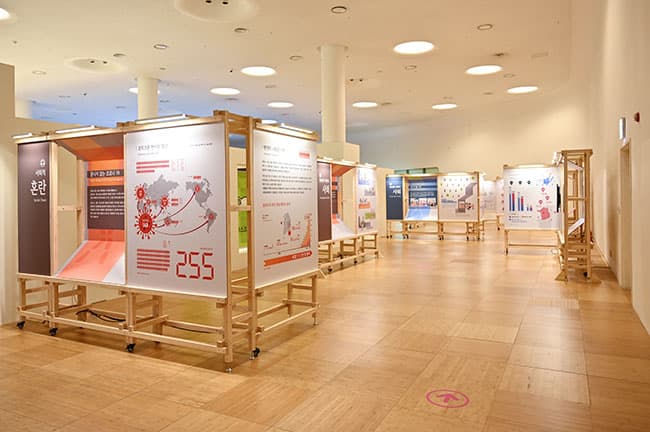
<Prologue> is a space where more than 400 words and phrases used during the pandemic appear in response to visitors’ movements, conveying the urgency of the pandemic through changes in the size and speed of the letters. <Crisis>, which depicts the onset and spread of the pandemic, uses infographics—visual images comparing before and after—to express the social confusion and collapse of public services caused by the pandemic.
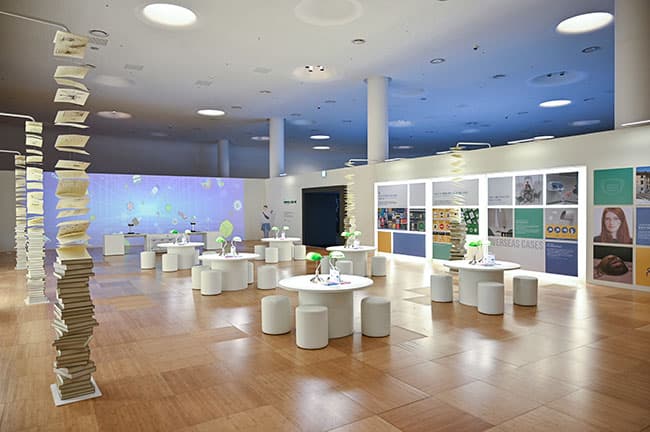
<Response> introduces the City of Seoul’s urban design for overcoming the pandemic, along with various design responses from home and abroad, showing how cities around the world are overcoming the pandemic through design. This space also hosts various supplementary events, such as live sketching, that visitors can enjoy hands-on. Live sketching is a participatory program in which you draw a picture on the spot, and once it is scanned, your drawing appears on a large screen in the exhibition hall.
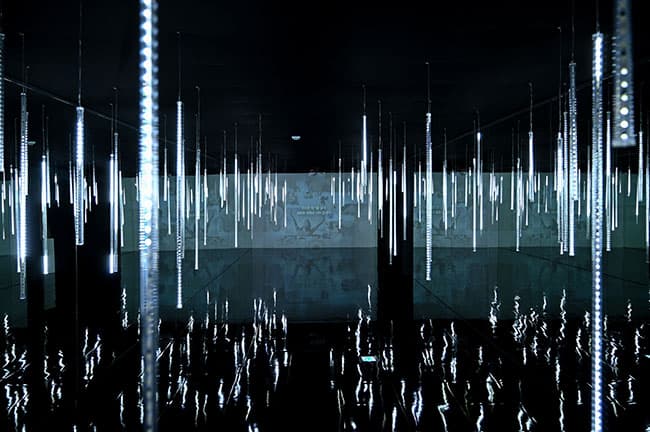
<New Beginning> is a space where, as daily life shifts into the new normal, visitors can experience through touchscreens and augmented reality (AR) devices how design’s scalability and the design of the future may change. Here, visitors can explore the theme through six keywords. The final exhibition space, <Epilogue>, symbolizes the future of the city of Seoul, expressing Seoul’s hopeful future through gradually brightening light.
In particular, this exhibition runs experiential education programs to help visitors understand and respond to the daily life that has changed since COVID-19. The programs include making mask straps and eco-friendly badges, and during the Christmas season, events such as pandemic- and eco-themed handwriting (calligraphy) experiences and live sketching by a children’s book author are offered. This will provide hands-on learning that stimulates various senses for children worn out by non-face-to-face remote education in the age of the pandemic. The programs are aimed at students from elementary through high school, run regularly on weekends, and can be applied for via social media or on-site. Detailed operating hours and the social media address for applications can be found on the DDP website.
Lee Kyung-don, CEO of the Seoul Design Foundation, which is hosting the exhibition, said, “This exhibition is not merely one for viewing, but one where children can experience culture and the arts through a variety of programs,” adding, “In this new normal era, our foundation intends to continue introducing exhibitions that provide future design education for the citizens of Seoul.” 02-2153-0000