
In an era overflowing with things to see, why do you view exhibitions?
SeMA Bunker, an annex of the Seoul Museum of Art, through November 21
The Seoul Museum of Art (Director Baik Jisook) will hold the special exhibition <The Things We Talk About When We View an Exhibition> through November 21 at SeMA Bunker, an annex of the Seoul Museum of Art located in Yeouido.
<The Things We Talk About When We View an Exhibition> is a themed special exhibition that reconsiders the specificity of exhibition content—the cultural and artistic experience offered by the museum—and the viewing experience through which it is encountered, within a contemporary social situation often described as the attention economy or the age of content consumption.
In addition, under the Seoul Museum of Art's goal of "A Future Made by Many. A Museum Connected to All," this exhibition links, expands, and reinterprets the institution's 2021 agenda of "Learning" and its 2022 agenda of "Production," thereby exploring the new subjectivities and possibilities for exchange among the various agents that the museum mediates.
The roughly 20 new works by five artists (teams) featured in the exhibition make visible the specific ways in which an exhibition presents itself and the diverse forms of relationship-building that occur within it. Furthermore, they propose methods of documentation through which the viewing subject can become aware of their own act of viewing and leave that experience behind as a concrete outcome.
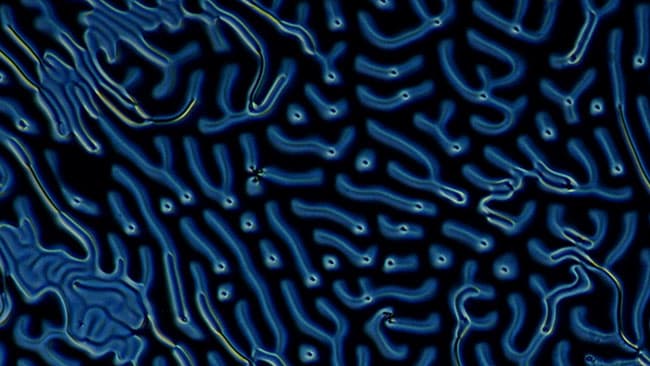
△Lee Eunhee's <Hot/Stuck/Dead> explores the physical origins of the display devices we readily encounter in daily life, raising essential questions about the screen-image and the act of seeing as bound to the logic of capital and the market, while also casting doubt on even the act of seeing—that is, viewing—within the exhibition itself.
△Gal Yura's <Origin (原點)> presents, through the commercial imagery of FPV drones, the sensation of immersion into the screen, and serves as a metaphor for a viewing experience "closer to gravity"—one made possible only through the limits of one's own body and the time-space of the exhibition hall.
△During the exhibition period, Kim Bangjoo intermittently resides in <Bird Watching Hut>—which is located within the exhibition hall but cannot be flatly defined as either an exhibited work or an exhibition space—and, through exchange with other works or relationship-building with visitors, creates a continually changing, concrete time-space.
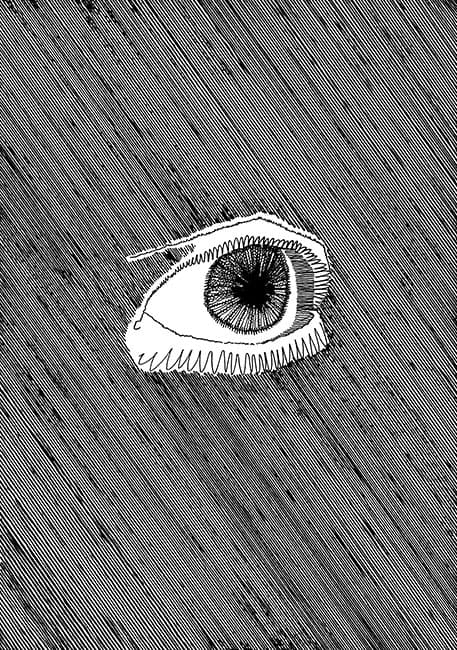
△Son Hyunsun's <-( ), of, here (there), to> is a series of self-portraits on the theme of the seeing and seen body. It requires viewers to continuously shift their gaze and, through the seeing body as both the subject of the gaze and the object of the viewing gaze, allows viewers looking at the work to physically sense the directionality, movement, and temporality of their own bodies.
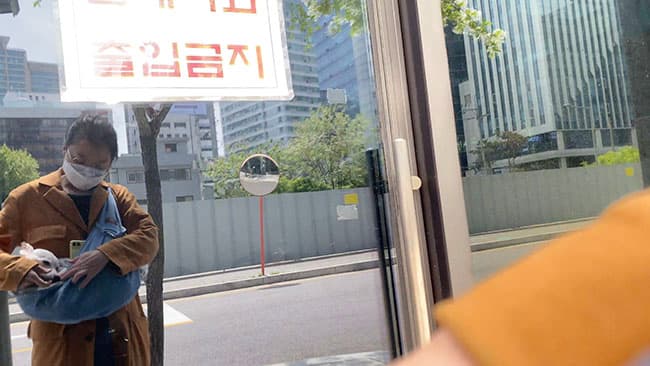
△In addition, "Gyeokjuro" (team)—composed of viewers, creators, and curators interested in the viewer's experience—presents <A Distracted Step, a Swallowing Gaze>, six viewing records taking diverse forms such as printed matter, drawing, video, and sound installation. These viewing records propose various methods and forms of documentation to make visible the viewer's body and context, the arbitrariness of viewing, and more.
Meanwhile, during the exhibition period the Seoul Museum of Art plans to provide online content, including photographs of the participating works and installation views, through the museum's official social media channels.
▲ Gal Yura, 'Origin (原點)'
▲ Gyeokjuro Team, 'Intro'